Products without a medical intended purpose: Is your product an Annex XVI product?

Do you develop or market products such as colored contact lenses, dermal fillers, or laser devices for skin treatment? If so, you may be facing a critical question: Does your product fall under Annex XVI of the EU Medical Device Regulation (MDR) – and what regulatory requirements does that entail for you?

BAYOOCARE supports manufacturers and distributors in ensuring the conformity of products without a medical intended purpose. From initial qualification and classification through to the full conformity assessment, we guide you through all regulatory requirements of the MDR.

Get your free initial consultation now and gain clarity on the regulatory status of your product.

BAYOOCARE_Produkte ohne medizinische Zweckbestimmung

What are Annex XVI products?

The EU Medical Device Regulation (MDR, Regulation (EU) 2017/745) not only regulates traditional medical devices with a medical intended purpose, but also certain products without a medical purpose. These products are listed in Annex XVI of the MDR and are therefore referred to as Annex XVI products.

The rationale behind this regulation is that products without a medical intended purpose may pose risks similar to those of medical devices, particularly in the case of invasive applications on or in the human body. In the past, such products have led to, in some cases, serious medical complications, which is why the legislator now subjects them to the same safety requirements as medical devices.

The six product groups under Annex XVI of the MDR

Annex XVI of the MDR lists six specific product groups that fall under the Regulation despite lacking a medical intended purpose:

  1. Contact lenses without vision correction
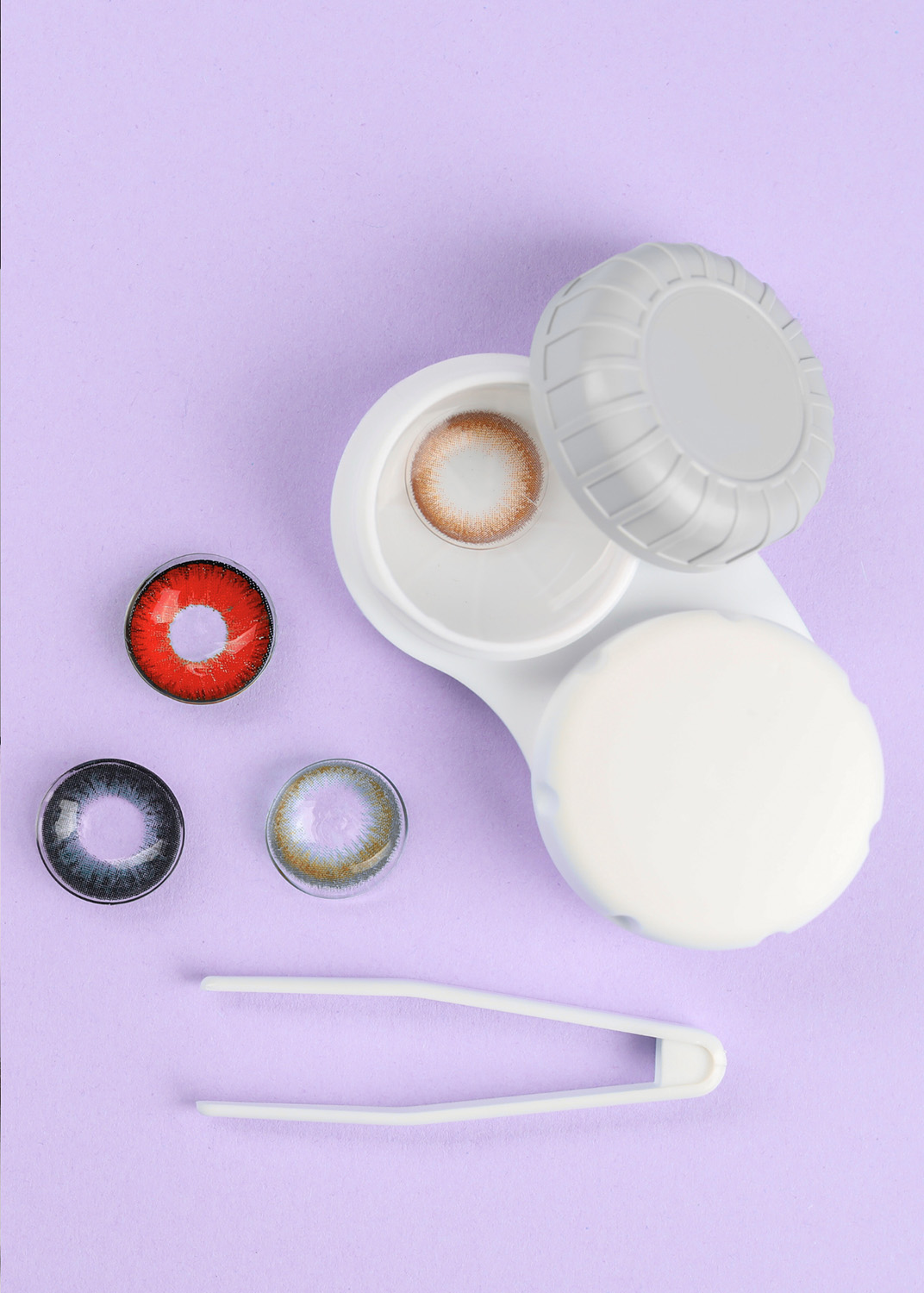
    Colored or tinted contact lenses intended solely to alter appearance (e.g., for costumes, Halloween, or cosmetic purposes).
  2. Products for surgically invasive modification of anatomy
    Implants and products that are wholly or partially introduced into the body through surgical procedures to modify body shape or to fix body parts. Examples include silicone breast implants, buttock implants, and subcutaneous implants for body contouring. Tattooing and piercing products are excluded.
  3. Substances, devices, or other articles for filling the skin or mucous membranes
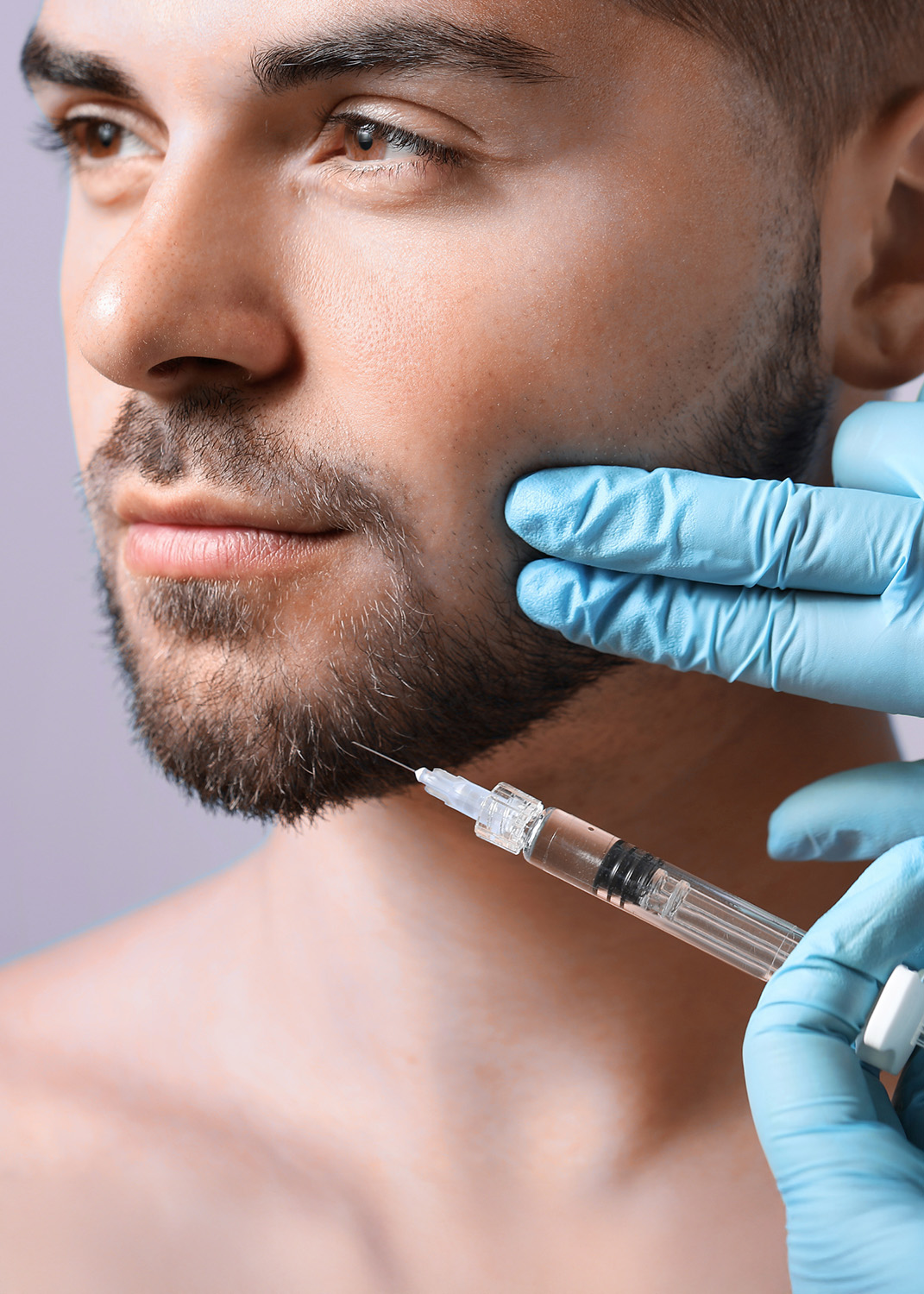
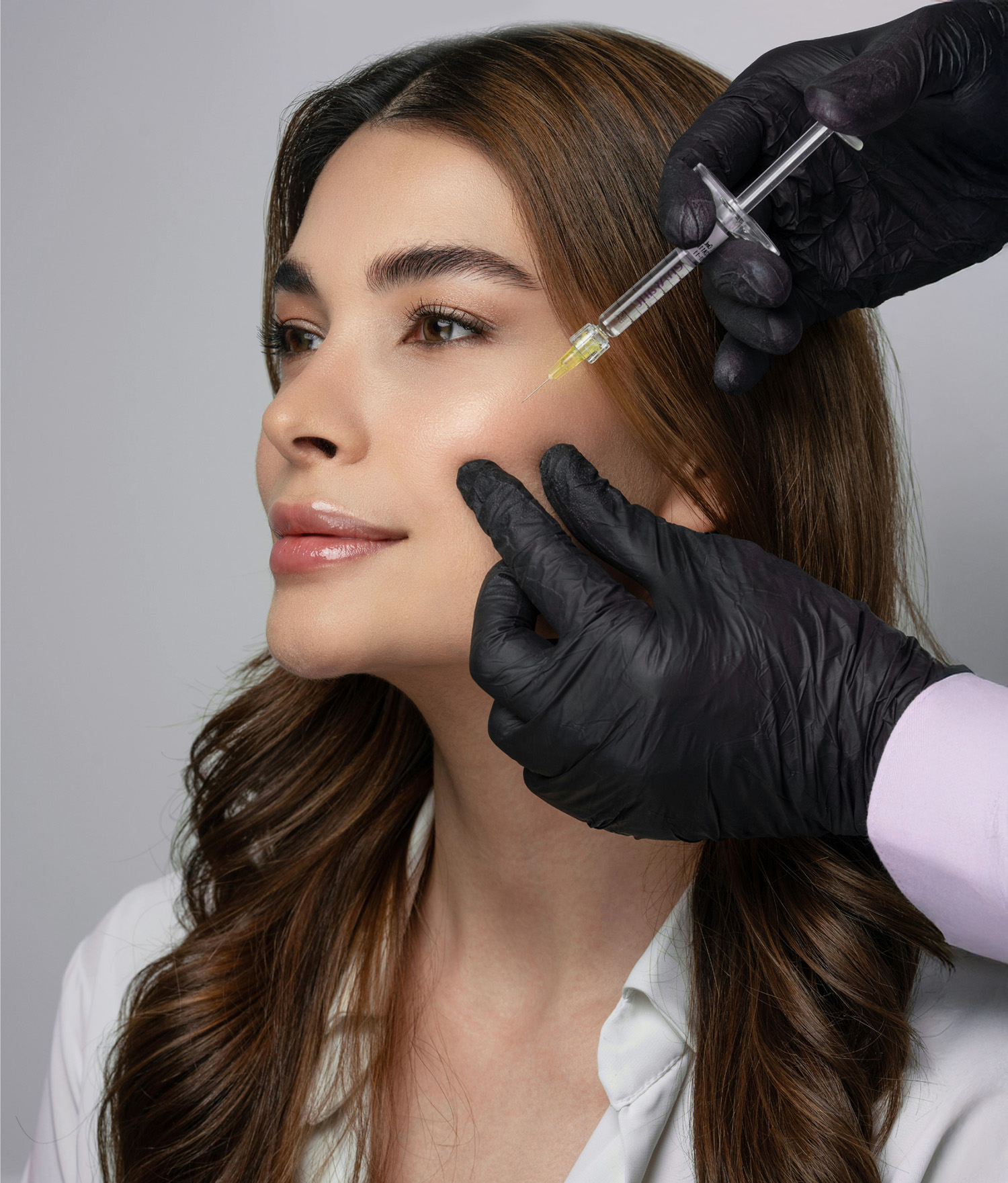
    Dermal fillers introduced into the skin or mucous membranes by injection or other invasive methods to create volume, smooth wrinkles, or shape contours (e.g., hyaluronic acid fillers for lips or cheeks).
  4. Devices for liposuction, lipolysis, or liposculpture
    Products and devices intended to remove adipose tissue by suction, reduce it by injection or other procedures, or break down or modify it using invasive means.
  5. Devices emitting high-intensity electromagnetic radiation for skin treatment
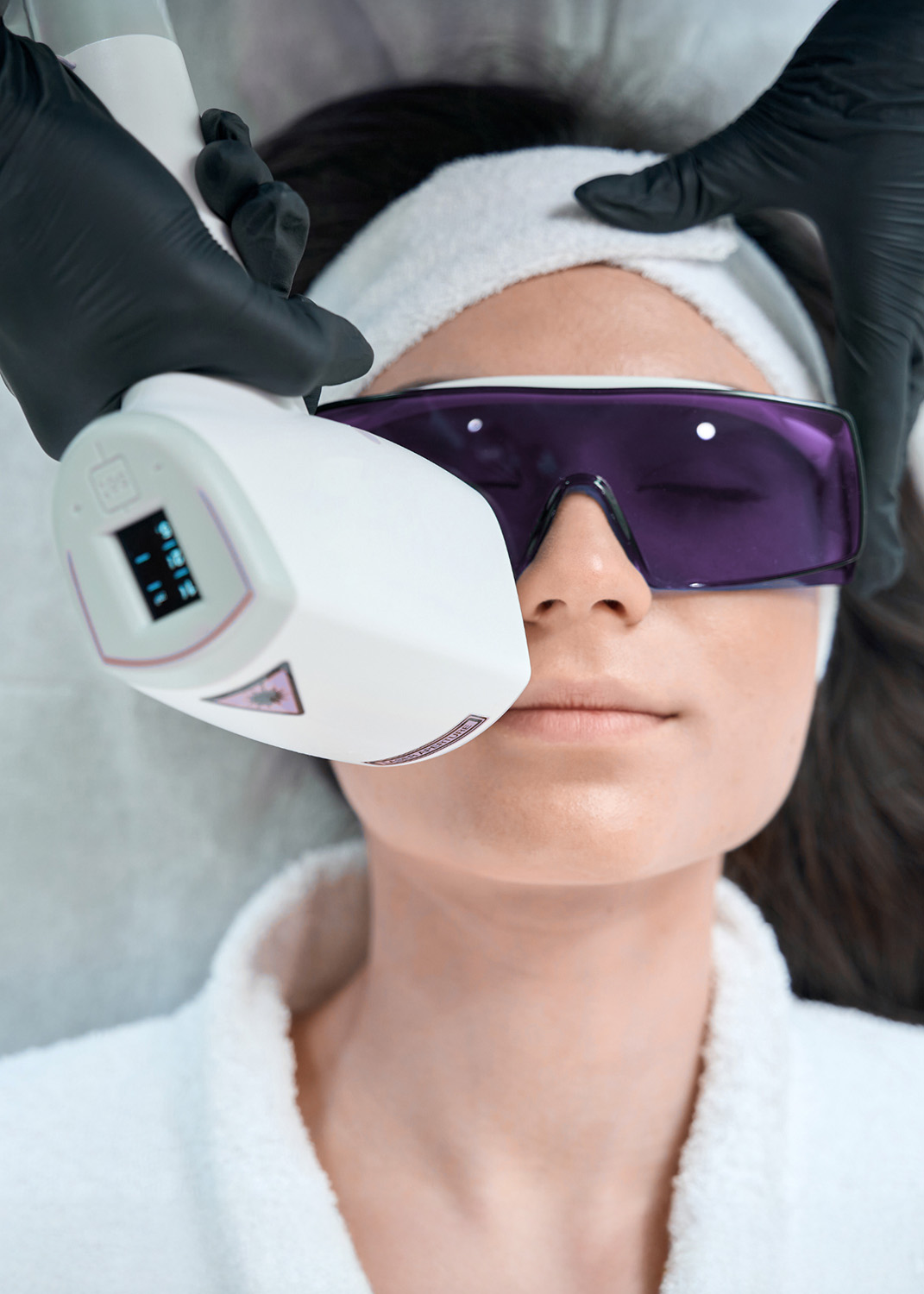
    Products that emit electromagnetic radiation (e.g., lasers, IPL) for cosmetic skin treatment. This includes devices for hair removal, tattoo removal, skin rejuvenation, and the treatment of pigmentation disorders or acne. These devices were reclassified by Implementing Regulation (EU) 2022/2347: skin treatment devices fall under Class IIb, hair removal devices under Class IIa.
  6. Devices for transcranial magnetic stimulation (TMS)
    Devices that act on the brain via electromagnetic fields but are not intended for medical purposes (e.g., treatment of depression), instead being used for wellness or cognitive performance enhancement.
BAYOOCARE_Die 6 Produktgruppen nach Anhang XVI MDR

Important: Under Article 1(5) of the MDR, the European Commission is empowered to add further product groups to Annex XVI by means of delegated acts.

When does your product fall under Annex XVI?

The key question is: Does your product have a medical intended purpose or not?

Intended purpose as the regulatory key

The intended purpose is the central criterion that determines whether a product is regulated as a conventional medical device, as an Annex XVI product, or whether it falls under the MDR at all.

According to Article 2(12) of the MDR, the intended purpose refers to the use for which a product is intended, as specified by the manufacturer on the labeling, in the instructions for use, in promotional or sales materials, and in the clinical evaluation.

The manufacturer defines the intended purpose—and thus whether the product falls under the MDR. However, the competent authorities (e.g., the Federal Institute for Drugs and Medical Devices, BfArM) have the final say in delimitation and classification.

Examples: Medical device or Annex XVI product?

Example 1: Contact lenses

  • Contact lenses with vision correction (diopters)
    = Medical device with a medical intended purpose (correction of visual impairment)
  • Colored contact lenses without vision correction
    = Annex XVI product without a medical intended purpose
  • Colored contact lenses with vision correction
    = Medical device (medical intended purpose prevails); must cumulatively meet all applicable requirements

Example 2: Breast implants

  • Breast implants following mastectomy (breast cancer surgery)
    = Medical device with a medical intended purpose (reconstruction)
  • Breast implants for aesthetic breast augmentation
    = Annex XVI product without a medical intended purpose

Example 3: Laser skin treatment

  • Lasers for the treatment of scars, acne, or skin diseases
    = Medical device with a medical intended purpose
  • Lasers for purely cosmetic skin rejuvenation or hair removal
    = Annex XVI product without a medical intended purpose
BAYOOCARE_Anforderungen an Anhang-XVI-Produkte nach MDR

Dual-use products: medical and non-medical

Some products have both a medical and a non-medical intended purpose. In such cases, all requirements apply cumulatively. This means that the product must meet both the requirements for medical devices (including demonstration of clinical benefit) and the specific requirements for Annex XVI products.

Distinction from cosmetics

Many manufacturers ask themselves: Is my product a cosmetic, or does it fall under the MDR? The boundary is often blurred, but the decisive factors are clear:

  • Cosmetics fall under the EU Cosmetics Regulation (Regulation (EC) No 1223/2009) and are intended for superficial cleansing, care, or beautification of the skin—without invasive application.
  • Annex XVI products, by contrast, are used invasively (e.g., by injection, surgical intervention, or introduction into the body) or involve devices that use high-intensity energy (e.g., lasers, IPL).

Rules of thumb:

  • Is the product introduced into the body (e.g., fillers, implants)?
    = Annex XVI
  • Is it applied to the skin without penetrating the skin barrier?
    = Cosmetic
  • Does it use high-intensity electromagnetic energy (e.g., laser, IPL)?
    = Annex XVI

Requirements for Annex XVI products under the MDR

  1. General Safety and Performance Requirements (GSPR)

Annex XVI products must comply with the General Safety and Performance Requirements set out in Annex I of the MDR. Unlike medical devices with a medical intended purpose, however, they are not required to demonstrate clinical benefit. Instead, the following applies:

  • Demonstration of safety and performance (not of medical benefit)
  • Risk acceptability: For Annex XVI products, serious harm is generally not acceptable, as there is no medical benefit that could justify residual risks.
  1. Common Specifications

On December 1, 2022, the Common Specifications (CS) were published by Implementing Regulation (EU) 2022/2346. They are legally binding and further specify the requirements for Annex XVI products:

  • Annex I of the CS: General requirements applicable to all Annex XVI products (risk management, safety information, labeling, instructions for use)
  • Annexes II–VII of the CS: Product group–specific requirements (e.g., for contact lenses, implants, dermal fillers, liposuction devices, laser skin treatment devices, and TMS devices)

The Common Specifications have been applicable since June 22, 2023.

  1. Clinical evaluation

Annex XVI products require a clinical evaluation, but not necessarily a clinical investigation, provided that an analogous medical device exists and equivalence can be demonstrated. According to the Common Specifications, “analogous” refers to a medical device with a medical intended purpose that is comparable in terms of function, risk profile, and technical characteristics.

Important: Annex XVI products must not claim any medical or therapeutic effectiveness. Any healing or therapeutic claim would automatically classify the product as a medical device with a medical intended purpose, rendering the Annex XVI framework inapplicable.

  1. Classification and conformity assessment

Annex XVI products are classified in accordance with the classification rules set out in Annex VIII of the MDR. Since Rules 9 and 10 (for active therapeutic and diagnostic devices) presuppose a medical intended purpose, specific reclassifications for active Annex XVI products were introduced by Implementing Regulation (EU) 2022/2347:

  • Skin treatment devices emitting electromagnetic radiation (e.g., laser, IPL): Class IIb
  • Hair removal devices (laser, IPL): Class IIa

Depending on the risk class, conformity assessment by a notified body is required. The conformity assessment procedures correspond to those for conventional medical devices (Article 52 MDR).

  1. Quality Management System (QMS)

Manufacturers of Annex XVI products must establish and implement a quality management system in accordance with Article 10 of the MDR. This includes:

  • Risk management system (ISO 14971)
  • Post-market surveillance (PMS)
  • Vigilance and incident reporting obligations
  • Technical documentation
  • Person Responsible for Regulatory Compliance (PRRC)
  1. Labeling and instructions for use

Annex XVI products must be clearly labeled as “without a medical intended purpose.” Labeling and instructions for use must comply with the requirements of the MDR and the Common Specifications.

All deadlines

  1. Transitional periods

Different transitional periods apply to Annex XVI products depending on their regulatory history:

Existing products (legacy devices):
Products that were lawfully placed on the EU market before June 22, 2023 may benefit from transitional periods, provided that:

  • The product was lawfully placed on the market before June 22, 2023
  • No significant changes are made to the design or intended purpose
  • The applicable legal requirements continue to be met

Deadlines by product class:

  • Implantable products Class III and IIb: until December 31, 2027
  • Products Class IIb, IIa, Is, Im, I (with notified body involvement): until December 31, 2028

Products without prior certification (e.g., CE marking limited to electrical safety):
In these cases, longer deadlines may apply depending on classification. The decisive factor is whether a clinical investigation is already required or whether existing clinical data are sufficient:

  • Scenario 1 (clinical data sufficient): until December 31, 2028
  • Scenario 2 (additional clinical investigation required): longer transitional periods may be possible
BAYOOCARE_Übergangsfristen Anhang-XVI-Produkte

How we support you

BAYOOCARE is your specialized partner for regulatory services in the fields of medical devices and Annex XVI products. We support you throughout the entire process—from initial analysis to successful certification.

Our services start with a regulatory initial assessment and classification of your product. We analyze your intended purpose, assess whether your product falls under Annex XVI, and identify the applicable Common Specifications. We then perform a gap analysis, align your documentation with MDR requirements, and develop a tailored project plan.

We provide comprehensive support for technical documentation, covering everything from the intended purpose and risk management in accordance with ISO 14971 and the Common Specifications to the clinical evaluation. We build or adapt your quality management system (QMS) to meet MDR and ISO 13485 requirements— including training your employees and preparing for audits.

We guide you through conformity assessment and certification, support the selection of notified bodies, prepare the EU Declaration of Conformity, and assist with CE marking. After market placement, we establish your post-market surveillance (PMS) system and support you in fulfilling MDR reporting obligations.

Why BAYOOCARE? Our many years of experience, hands-on approach, and structured processes accelerate your project. We work in close partnership with your team and keep you informed about regulatory changes – ensuring future-proof compliance.

Your contact with us

Are you planning a project or do you have specific regulatory questions regarding the placing of your medical device on the market? No matter what stage your project is in, we are happy to support you. The fastest way to reach us – feel free to contact us.