Citral and Benzyl Salicylate: These limits will apply to your fragrances starting in 2027
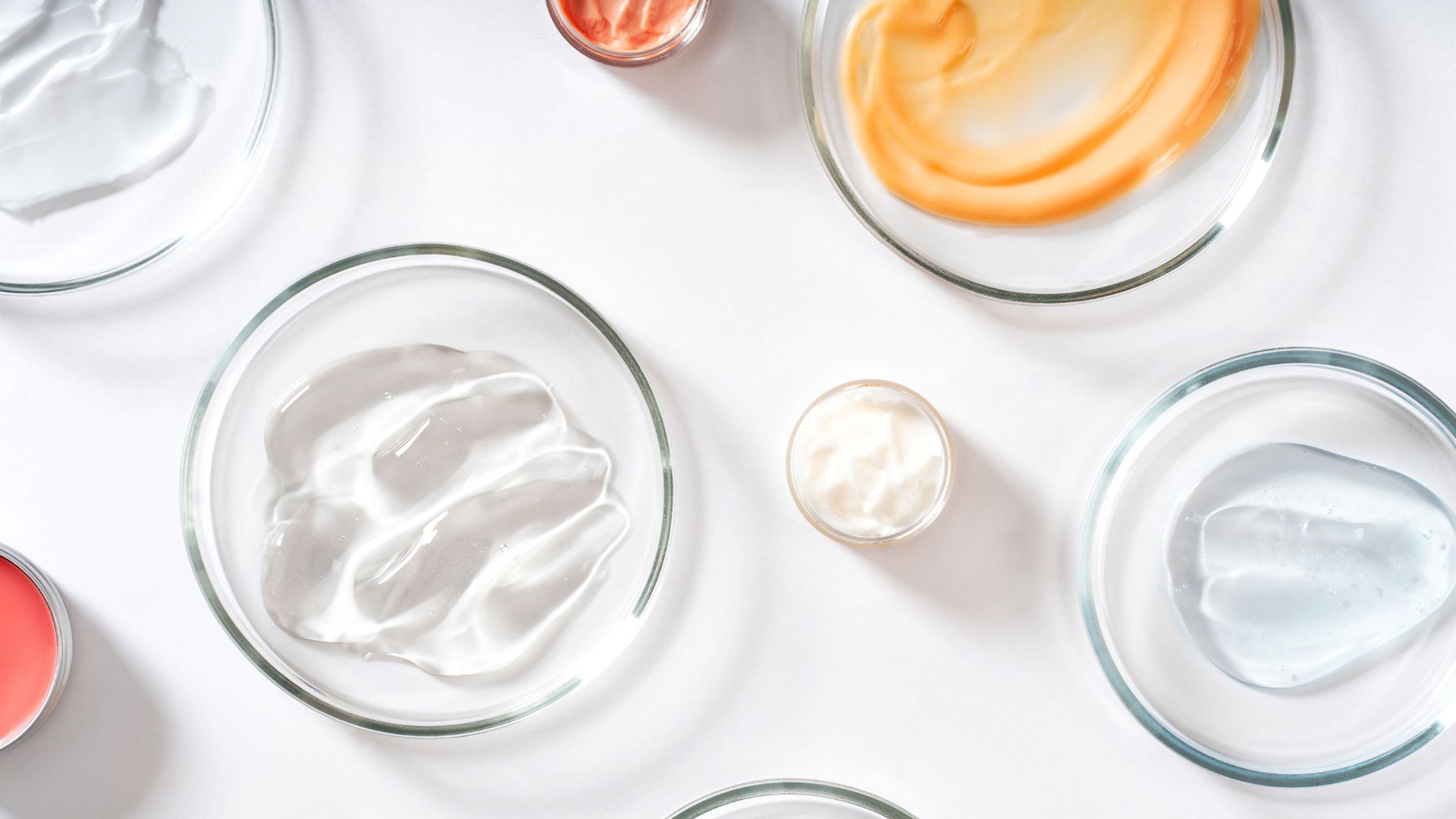
Fragrances are found in perfumes, creams, shower gels, and deodorants, and under Regulation (EU) 2026/909, maximum limits per product category will apply to citral and benzyl salicylate for the first time starting January 1, 2027. Anyone using formulations containing these substances should therefore check which category each product falls into and what limit applies to that category.
Teilen Sie diesen Beitrag:
Teilen Sie diesen Beitrag:
You can find an overview of all twelve substances in our article on the Cosmetics Regulation 2026/909.
What are the maximum limits for benzyl salicylate?
Benzyl salicylate is listed in Annex III under number 75, and the values refer to the ready-to-use preparation.
“Salicylates” is a collective term for salts and esters of salicylic acid, and the regulation applies only to benzyl salicylate. Ethylhexyl salicylate, a UV filter listed in Annex VI with a maximum concentration of 5%, is not one of the twelve substances covered by Regulation 2026/909.
| Product Category | Maximum value |
|---|---|
| Fragrances (Perfume) | 4% |
| Shower gels | 1.3% |
| Rinse-off skin and hair care products (excluding shower gels) | 0.5% |
| Remaining skin and hair care products, non-spray | 0.5% |
| Hair products in spray or aerosol form | 0.5% |
| Body Lotion | 0.7% |
| Face Makeup and Makeup Removers | 0.2% |
| Deodorants in spray or aerosol form | 0.91% |
| Oral medication | 0.004% |
What are the maximum limits for citral?
Citral is listed in Annex III under number 70 and, until now, had to be labeled primarily as a fragrance allergen. The new requirement is an upper limit, which varies depending on the product type.
| Product Category | Maximum value |
|---|---|
| Deodorants and Antiperspirants | 0.032% |
| Anogenital products that remain on the skin (such as baby wipes and intimate care wipes) | 0.063% |
| Lip makeup, lipsticks, lip balms | 0.11% |
| Other remaining skin care products | 0.15% |
| Oral medication | 0.35% |
| Fragrances (Perfume) | 0.6% |
| Eye products, face makeup, makeup remover | 0.65% |
| Leave-in hair products and rinse-out skin and hair care products | 1.2% |
Citral must continue to be listed in the ingredients list if its concentration exceeds 0.001% in products intended for residual use and 0.01% in products intended for rinsing. Regarding the deadlines, January 1, 2027, applies to citral for placing on the market, and July 1, 2028, applies to making it available, while August 1, 2028, applies to the isomers geranial and neral.
What manufacturers should do now
The first step is to contact the fragrance supplier, since the concentrations of individual ingredients are often listed only in their documentation. In formulations containing essential oils or plant extracts—such as lemongrass—citral is also introduced into the product via the raw material, and the total amount in the finished product is the value that must be compared to the maximum limit. If a formulation exceeds this limit, there will only be time for reformulation, a new CPSR, and an updated label if planning begins before the end of the year.
BAYOOCARE reviews your formulations against the new annexes and updates your documentation to ensure your products remain compliant after the effective dates. For more information about our services, see Compliance for Cosmetic Products.
Here’s how BAYOOCARE can help you
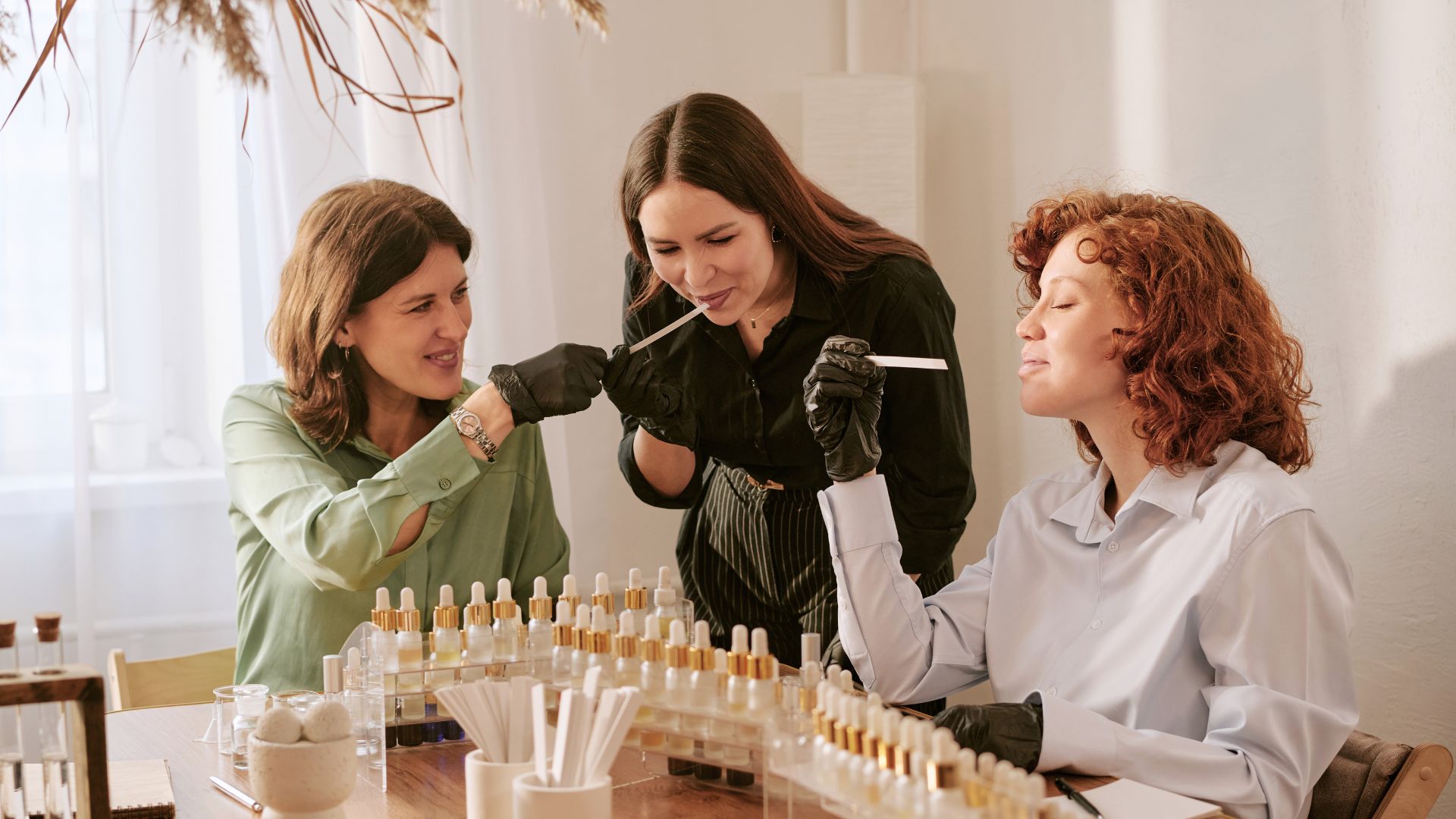
BAYOOCARE reviews your product portfolio against the revised annexes, assesses where formulations need to be adjusted, and updates your documentation—including the CPSR—to ensure your cosmetic products remain compliant even after the deadlines have passed. Please feel free to contact us; we’ll work with you to create a schedule that fits your batches and approvals.